
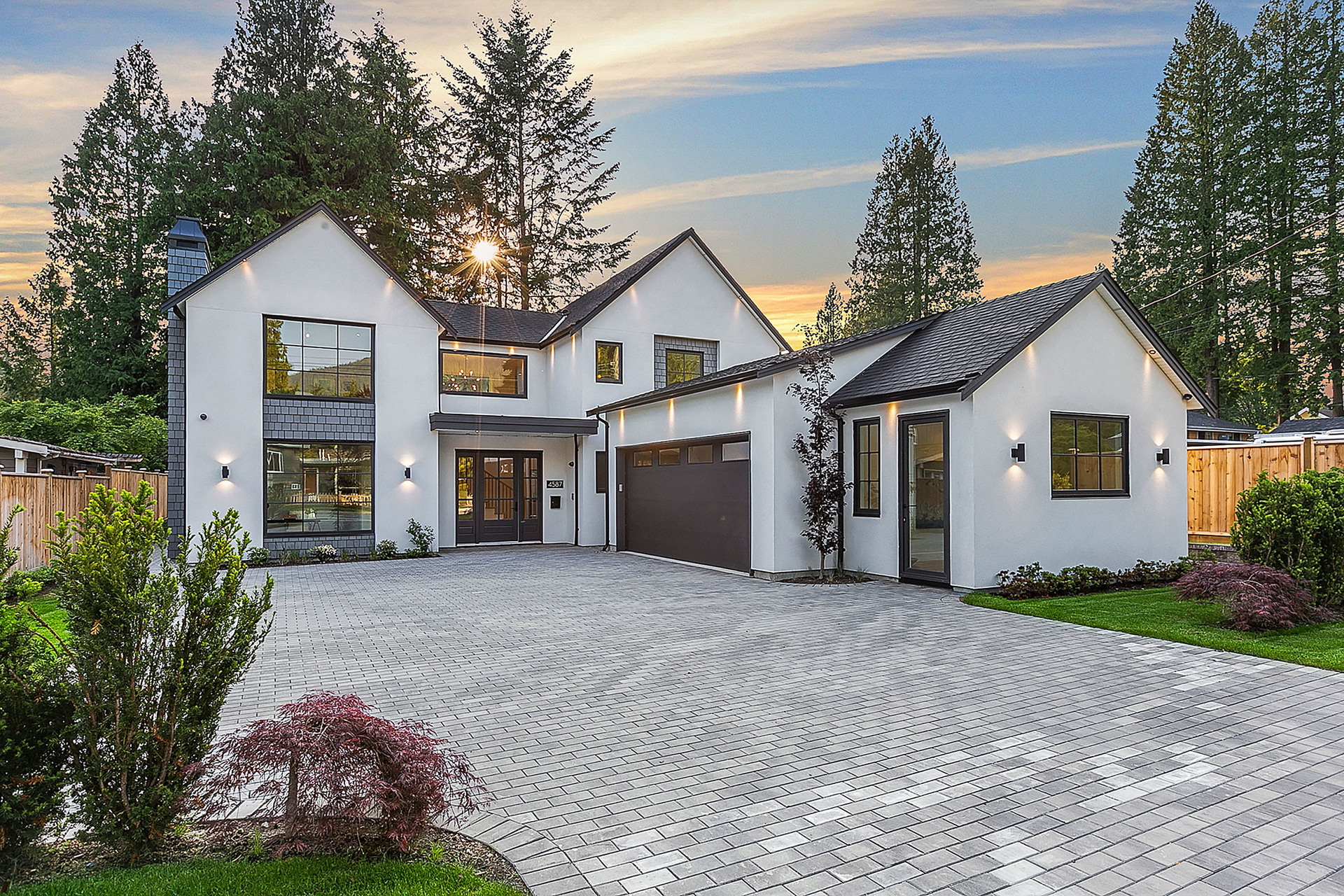
Designing a double-storey house is an exciting journey that blends creativity, regulation, practicality, and personal vision. Architects follow a structured process to ensure that each home is beautiful, functional, safe, and compliant with national building standards. While every architectural practice may have its own nuances, most follow a similar sequence from the first conversation to the moment the plans are approved for construction. Here’s an overview of the typical process.
1. Initial Consultation and Brief Development
The process begins with an introductory meeting between the architect and client. This stage focuses on understanding the client’s needs, lifestyle, budget, aesthetic preferences, and long-term plans. For a double-storey home, considerations might include the number of bedrooms, privacy requirements, views, orientation, circulation between floors, and desired architectural style—from modern minimalist to contemporary farmhouse.
The architect also gathers information about the site: location, slope, access points, surrounding properties, and environmental factors. Early clarity at this stage ensures the design evolves in the right direction.
2. Site Analysis and Feasibility Study
Before any drawing begins, the architect conducts a detailed site analysis. This includes reviewing zoning regulations, servitudes, building lines, height restrictions, coverage, and FAR (floor-area ratio) as required by the relevant municipality.
National Building Regulations and standards play a significant role in determining what can be built. The feasibility study helps establish whether the client’s brief is achievable under these constraints. If challenges exist—like steep topography, heritage overlays, or tight municipal controls—the architect proposes solutions early on.
3. Concept Design
Once the brief and site information are clear, the creative process begins. The architect develops concept sketches, 3D massing models, or preliminary floor plans showing the basic layout of the double-storey structure. This stage focuses on interpreting the client’s vision while addressing functional and environmental considerations such as natural light, ventilation, solar orientation, and indoor–outdoor flow.
For a double-storey home, decisions about vertical circulation (staircase position), structural layout, and how upper-level spaces interact with ground-level living areas are key. The architect typically presents several options, which are refined after client feedback.
4. Design Development
With a preferred concept selected, the architect refines the plans into more detailed drawings. Room sizes, window positions, façade treatments, materials, and spatial relationships are shaped with greater precision.
During this phase, the architect often collaborates with structural engineers, especially for double-storey homes requiring load-bearing calculations, slab design, and reinforcement specifications. Energy-efficiency considerations—including glazing performance, insulation, shading devices, and compliance with applicable standards are also addressed.
This stage ends with a well-resolved design ready for technical documentation.
5. Municipal Submission Drawings
To obtain approval to build, the architect prepares a full set of municipal submission drawings. These include detailed floor plans, sections, elevations, drainage layouts, site plans, and other documents required by the municipality.
The architect ensures that all drawings comply with the National Building Regulations and any site-specific requirements of the local authority. Once complete, the plans are submitted for municipal review. Approval timelines vary but typically range from a few weeks to several months depending on the municipality.
6. Construction Documentation
After municipal approval, the architect prepares detailed construction drawings and specifications. These documents guide the builder on-site and cover structural details, material specifications, finishes, ceiling layouts, electrical positions, and more.
For double-storey homes, accuracy in detailing is crucial to avoid costly mistakes during construction.
7. On-Site Involvement and Contract Administration
Many clients retain the architect to oversee construction. This may include site inspections, coordination with contractors, quality checks, and contract management. The architect ensures the building is constructed according to the approved plans and specifications, helping protect the client’s investment.
Conclusion
The journey from envisioning a double-storey home to seeing it rise from the ground is a detailed and collaborative process. Architects combine creativity with regulatory expertise and technical skill to transform clients’ ideas into safe, functional, and beautiful homes. When done well, the result is a home that suits both the landscape and the lifestyle of the people who live in it.